

On social media and in my day-to-day life, I talk about regulating your nervous system a lot. Through my own personal journey with regulating my nervous system, I want to share some tips on what your nervous system is, identifying if yours is dysregulated, and how to regulate your nervous system.
What is the nervous system?
Your nervous system is your brain, your spinal cord, and the nerves that run out to every part of your body. The brain is talking to the body all the time and vice versa. The part that works in the background, the autonomic nervous system, is what shifts you into a stress state (fight or flight) and back into rest and digest.
When we go through difficult experiences in life that our minds and bodies can’t understand or handle (trauma), this memory is stored in our brain and physical body, and stamped as “bad”.
Your nervous system will begin to build up defenses against anything it perceives to be similar to the original event. This is so we don’t have to get hurt again. It’s your body’s way of protecting you from pain. Your mind and body are incredible and want to help you with regulating your nervous system.
However, the problem is when your nervous system goes into hypervigilance mode and, over time, perceives everything as dangerous. Eventually, that constant alarm can feed chronic mental or physical symptoms. For some people that looks like chronic pain, physical illness, chronic fatigue, depression, anxiety, and eating disorders.
Trauma can trigger your nervous system
I want to share with you the story of what I went through when my nervous system was at its worst, and I didn’t know what was wrong.
When I started grad school, I was so excited to be there and begin my journey of becoming a therapist. It had been a dream of mine since I was 15! But soon after this my then-partner and I broke up. I was devastated. This was hands down the hardest breakup I’ve ever been through, and I was on the struggle bus. I couldn’t pay attention in school because I was so focused on the grief that came from it.
I started to develop chronic physical pain in my muscles and joints that left me crying myself to sleep at night. All I felt was pain and hopelessness because none of the treatments I tried provided relief.
How a dysregulated nervous system can react in your mind & body

When you go through experiences that your nervous system perceives as too difficult to handle, such as trauma, a high-pressure school, or a breakup, it starts to become overwhelming. This flicks a switch in your nervous system to perceive everything as dangerous and try to protect you from anything like that experience again.
To feel in control, your nervous system will use things that you can control as coping mechanisms, like food or exercise.
In my case, my brain focused on food and exercise to try and control something so that I wouldn’t feel so out of control. This turned into a serious eating disorder, which is also related to the nervous system.
Why is this relevant? Well, because everything I just told you screams that you need to work on regulating your nervous system.
Signs your nervous system may be dysregulated
Dysregulation shows up differently from person to person, and a checklist can’t diagnose it. These are common patterns to look for:
-
You wake up already braced for the day, jaw tight or heart going, before anything has happened.
-
Small things, like a text left on read or a pan clattering in the kitchen, hit you as hard as big ones.
-
You’re exhausted but can’t settle at night, or you sleep and still wake up tired.
-
Your stomach, head or muscles flare during tense weeks and ease off when life calms down.
-
You swing between keyed up and shut down, or you feel numb and a little far away from your own life.
-
Your mind keeps scanning for what could go wrong next, including in your body.
Any one of these can also come from a medical problem, so if a symptom is new, getting worse, or worrying you, check in with your doctor as well.
Signs of a regulated nervous system
Being regulated doesn’t mean you never feel stressed. It means your body can get stirred up and then find its way back down. You might notice that:
-
After a stressful conversation you come back to yourself in an hour, not three days.
-
You can feel a twinge or a racing heart and get curious about it instead of alarmed.
-
Sleep, digestion and energy are steadier more weeks than not.
-
You can say no, ask for help, or take a break without a wave of guilt afterward.
-
Hard days still happen, and they knock you flat for less time.
Identify if your nervous system is dysregulated
There are a few things you can do to monitor your nervous system and identify if it’s dysregulated. I want you to start to pay attention to signals of stress in your mind and body. You can break stress down into 3 parts to look out for:
1) Your thoughts
What thoughts are you having when you’re experiencing anxiety, shame or guilt? These might be negative, self-critical or catastrophizing thoughts.
2) Sensations in your body
What’s happening in your body right now? Does it feel tight, heavy or constricted? Do you have a ‘pit in your stomach’ kind of feeling? Do you feel open, grounded or excited?
3) Your emotions
What emotions are coming up for you? I recommend Googling the ‘the feelings wheel’ (or accessing it via this link) to get familiar with different emotions and pinpoint what you’re feeling.
Regulating your nervous system
Once you’ve worked through parts 1-3 and you’re aware of what’s going on in your mind and body, then you can use skills to regulate. It’s important to identify how you feel before you work to treat it so you can find the best treatment for you.
Once I learned how to tell my brain and body that I was safe, and could handle the emotional pain that came up, my physical pain went away. I didn’t need to control my body or food intake anymore.
I know it sounds simple, but one of the most useful skills your nervous system responds to when you’re dysregulated is breathwork.
Seriously though, I can tell you from my personal experience and my clients’ that breathwork works!
So, take 10 deep breaths, in through your nose and out through your mouth, noticing your diaphragm expanding on the inhale and contracting on the exhale. Make sure your exhales are longer than your inhales and focus on the feeling in your lungs (rather than in your chest).
Breathwork isn’t the only option. Other things that help many people settle:
-
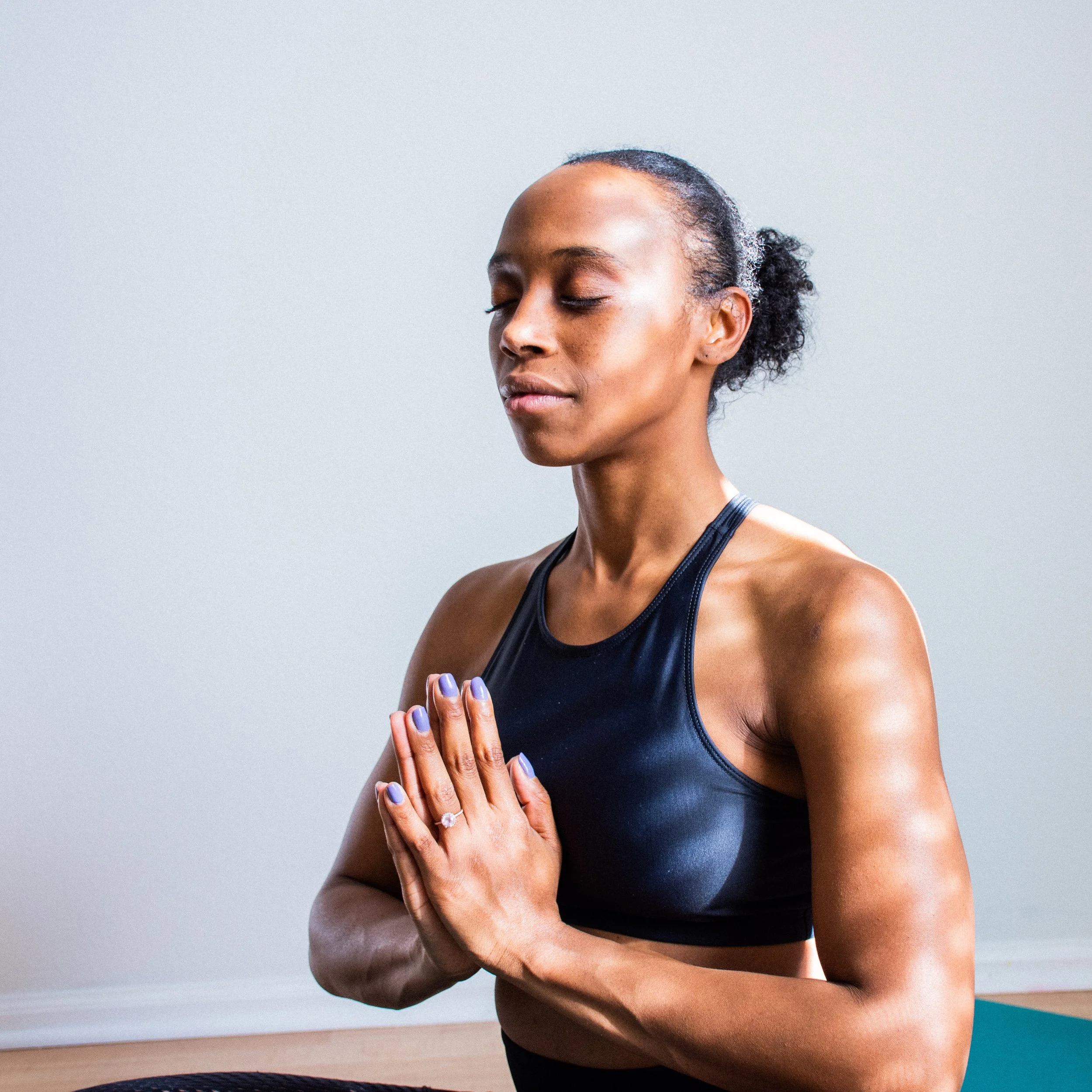
Yoga or gentle movement, even ten minutes of stretching on the floor before bed
-
Journaling to get the swirl of thoughts out of your head and onto paper
-
A short guided meditation
What does it mean to regulate your nervous system?
Regulating your nervous system means helping your body shift out of a stress state and back toward feeling safe, and over time teaching it that it doesn’t have to stay on high alert. Some of that happens in the moment, with things like slower breathing. Some of it is longer work on the thoughts, emotions and old experiences that keep setting the alarm off.
How long does it take to regulate your nervous system?
There isn’t a set timeline. A few minutes of slow breathing with longer exhales can take the edge off in the moment. Changing a pattern your body has been running for years is slower, usually something you measure in months of regular practice rather than days, with good weeks and setbacks along the way. If you want a sense of what progress can look like, read 6 signs your nervous system is healing.
What’s next
I’m not saying that regulating your nervous system is the secret to a better life. I’m someone who feels hard and still has my own struggles. BUT my nervous system no longer overreacts by shutting down my body or making me feel out of control with anxiety when hard times come up.
I’ve learned to help myself by listening to my nervous system and calming it when needed. I’ve learned to ask for support and know who I can go to and process with; my therapists, loved ones, spiritual mentors, and my higher power.
I am honored to help people along their healing journey. I offer online therapy for people in Colorado, Texas and Utah, and private nervous system coaching wherever you live. If you’d like support with your mental and physical health, you can apply to work with us.
If you’re living with chronic pain, fatigue, or anxiety and want a structured program from a therapist who’s been through it, the Mind-Body Healing Method is my self-paced course, with an option to add live support and community chat.
Join my free masterclass
The free masterclass covers the nervous system patterns behind persistent pain and some calming tools you can use right away. Sign up for the free masterclass here.