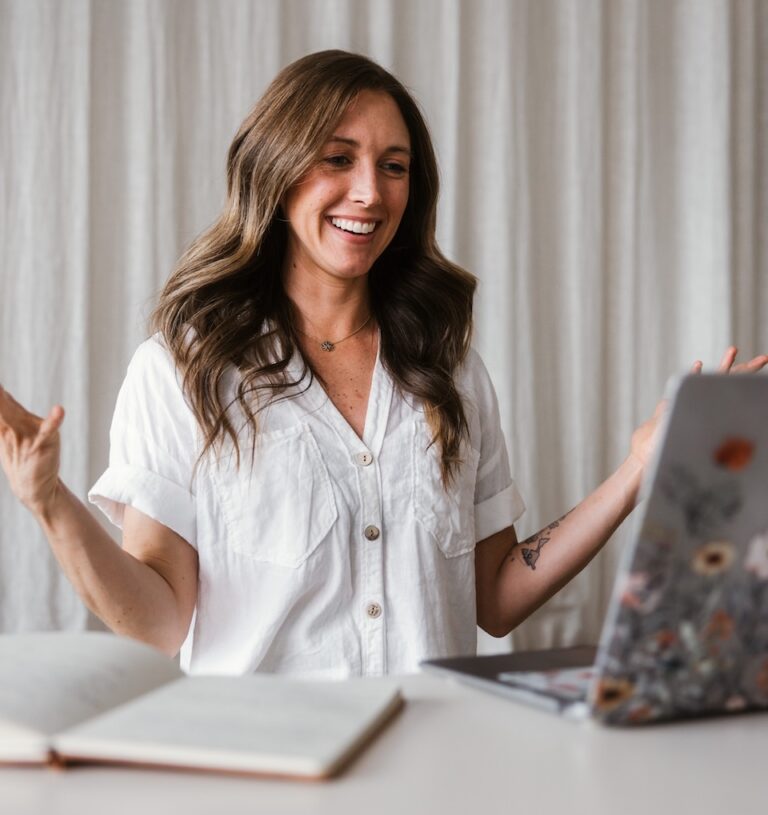
Episode 88
Healing Beyond Codependency with Emmy Marie
Show notes
In this episode of Heal with Grace, Grace sits down with Emmy to explore what life and healing look like after leaving toxic or abusive relationships. Emmy shares her personal story of navigating patterns of codependency, how trauma shows up in everyday life, and the power of boundaries and self-compassion in recovery. Together, they unpack the difference between “toxic” and “abusive,” the role of emotional abuse, and what it means to create safe, healthy connections moving forward.
You’ll walk away with insights on:
- Recognizing subtle patterns of emotional abuse and gaslighting
- Why boundaries are an essential human need (not selfish)
- How self-compassion becomes the antidote to shame and old conditioning
Connect with Emmy
How to work with Grace:
- Practitioner Training-Mind Body Integtration Method Founding Cohort
- Mind-Body Healing Method Course – Regulate your nervous system now
- Free Masterclass: How to Know If Your Nervous System Is Behind Your Symptoms
- Work with us in private mind-body coaching
- Subscribe to my Substack for the deeper how-to's
Connect with Grace
Read the transcript
[00:00:00] Hello, hello. Welcome back to the heel with Grace podcast. How's everybody doing? What's
[00:00:06] happening in your life? I am really excited for our guests today. And the reason this is a little
[00:00:12] bit different podcast than what you might expect on here. But the reason I'm having her name is
[00:00:18] Emmy and the reason I'm having Emmy on is because I keep finding time and time again
[00:00:24] that people either don't recognize what trauma is or they don't really understand
[00:00:29] the effects of it. So I really wanted someone to come on here for us to talk through like,
[00:00:33] first of all, what does trauma look like? What are the effects of trauma? And what does it look
[00:00:37] like to heal through that? Because if you've dealt with chronic pain or illness, you have some sort
[00:00:42] of trauma in your life, that might be big T that might be little experiences that add up over
[00:00:47] time. It just it is within your experience and your life, whether you recognize that or
[00:00:52] a lot or not. So I also just truly feel an urge, a duty, if you will, to bring more awareness
[00:01:01] to trauma, specifically to trauma survivors and it means a abusive relationship trauma survivor.
[00:01:06] And I think it's really important to get the word out there to get just helping people
[00:01:12] understand what that looks like to be in one if you are in one. So if this ever
[00:01:17] resonates with you or you feel like you should share it with someone or share it with a
[00:01:20] certain community, please do because let's, let's keep helping people heal and get out of
[00:01:26] difficult situations, abusive situations. So Amy Marie is a trauma survivor and certified trauma
[00:01:32] informed coach who has been helping survivors thrive after traumatic pasts through one to one
[00:01:37] coaching courses and social media content since 2019. She has a really great account. Highly
[00:01:42] recommend following her. All the links are below. And just to get some more information
[00:01:47] on, you know, what is trauma? What does it heal? What does it look like to heal from that,
[00:01:51] especially an abusive relationship? All right, without further ado, here we go. And I hope you
[00:01:58] enjoy. Hey there and welcome to heal with Grace. I'm your host Grace Secker and I'm a holistic
[00:02:04] licensed therapist and nervous system coach who believes that the chronic and often unseen
[00:02:09] symptoms you're living with are a sign of something deeper going on. A sign that your
[00:02:14] nervous system needs attention. In each episode, I'll share the science behind the most common
[00:02:19] chronic health disorders plus holistic health tips using mental, physical and spiritual practices.
[00:02:25] You'll hear what I've learned in my journey and the true stories from our trusted guests
[00:02:29] so you can feel less alone in your experience and give yourself grace no matter what you're
[00:02:33] going through. So without further ado, settle in and get cozy. It's time to heal with Grace.
[00:02:39] Hi, Emmy. Thank you so much for coming on the podcast. I'm really excited for today's conversation.
[00:02:46] Hi, thank you so much for having me. I am also looking forward to it.
[00:02:49] Yeah, one of the reasons that I wanted to have you on was because
[00:02:53] the way that you talk about post-traumatic recovery growth in a very day-to-day way,
[00:02:59] like what does that actually look like? And what is that next level of healing once we've
[00:03:03] probably gotten out of that situation? And we've worked on ourselves. We're kind of like
[00:03:07] getting somewhere right, but what do we do with that? So can you give us a little idea of how you
[00:03:14] came into this work and why you do what you do? Yeah, absolutely. So yeah, my history is I was in
[00:03:21] an abusive relationship in high school and it was kind of my first love, first everything. And
[00:03:27] it went on from age 15, like freshly 15 to almost 18. So it was almost exactly three years
[00:03:35] and really took up almost the entirety of high school for me. And it followed that classic pattern
[00:03:41] of abusive relationships that start with a tremendous amount of love bombing and then
[00:03:46] start to slowly degrade into really severe and intense abuse. My abuser was also an addict.
[00:03:53] And I think that impacted a lot of the dynamic as well and just where he was at mentally.
[00:03:58] But yeah, I went through that experience and came out of it thinking that, okay, well,
[00:04:04] life is great now. That's over. So I'm just going to move on and be happy. And that lasted for a
[00:04:10] couple months. And I went to college and just noticed that it felt like depression and anxiety
[00:04:16] were definitely following me. And throughout that abusive relationship, I had really been convinced
[00:04:21] that I was mentally ill. And that was sort of a way that I coped with the reality of
[00:04:26] I was being like psychologically tortured. I was just convincing myself like I'm crazy
[00:04:32] and I'm too much and I'm whatever. And so I went to college and pretty much just proceeded to
[00:04:39] reenact the dynamic that I had experienced in less severe ways. So I started chasing after kind of
[00:04:46] emotionally unavailable guys and just being really anxious and attaching to people who were not
[00:04:52] giving me any indication that they were ready for any kind of relationship. But I just wanted
[00:04:58] love and affection so badly and was so used to seeing myself without a lot of self respect or
[00:05:04] self worth. So that went on until I finally found someone who was interested in what I wanted,
[00:05:10] which was a relationship. And that turned out to be really toxic and unhealthy. I don't quite
[00:05:17] call it abusive, but it was not good. And that went on for another two years. And
[00:05:24] at the end, I kind of had this awakening and realized, you know, what am I doing? Like I'm back
[00:05:31] in this pattern again of in a relationship that makes me feel like shit about myself. And even
[00:05:35] though it's not that bad, it's still not good. And I don't want this anymore. So left that
[00:05:42] relationship and then proceeded to really commit to never being in a toxic relationship
[00:05:48] again. And at the same time, as I was finally kind of discovering a safe environment, my complex
[00:05:55] PTSD symptoms started coming out in full force. So now it's been about three years after the
[00:06:02] initial abusive relationship. And I'm having just a tremendous amount of symptoms. You know,
[00:06:08] you can look up complex PTSD, and I kind of had every single one, it was really debilitating.
[00:06:13] And I finally pursued therapy. I also got into a healthy relationship. And yeah, started my therapeutic
[00:06:21] journey. So this is about 2016. I'm like 21 years old, gotten therapy. And for the next three years,
[00:06:28] that was pretty much the main focus of my life. I was still working full time. I had graduated
[00:06:34] college. I was in this relationship. We did long distance. I tried to have friendships,
[00:06:39] but I was really focused on trauma recovery because the trauma symptoms themselves were
[00:06:46] yeah, really bad and really intense. So went through trauma therapy. And then around 2019,
[00:06:53] 2020, started sharing my experience of healing from trauma and experiencing trauma on Instagram
[00:06:59] through like a creative practice that I did every day, and started building an audience there.
[00:07:04] After about a year of doing that in 2020, I sort of reached a point where I felt like I was capable
[00:07:11] of holding space for others. Built this audience, COVID hit, I got laid off, I discovered that
[00:07:18] coaching existed all in about a six month period. So it was kind of this, you know,
[00:07:23] perfect storm to give me the chance to pursue this as a career. I started my business officially
[00:07:31] in July 2020, offering trauma informed coaching, got certified and trained in that work. And then
[00:07:38] I've been doing it ever since. So I will stop now, but I'm an open book for any and all questions.
[00:07:45] Yeah. Yeah. What I want to understand and highlight a little bit is what's the difference
[00:07:50] between what you termed as an abusive relationship in high school and the toxic,
[00:07:55] but maybe, maybe quite abusive. What's the difference there? Why do you just
[00:07:58] question? Yeah. So the one in high school was like, you know, if you look up narcissistic abuse,
[00:08:07] which I try to stay away from that term, but if you look that up, you'll see a checklist and it's
[00:08:12] every single one. It's verbal abuse, emotional abuse, occasional physical abuse, sexual abuse
[00:08:18] was crazy bad, financial abuse, like every kind of abuse was going on pretty much.
[00:08:24] And it was horrendous. And then the second one that I refer to as toxic, he wasn't screaming at me.
[00:08:34] You know, all the sex was technically consensual, although there was a lot of
[00:08:39] me fawning, me appeasing, me only having sex with him because I wanted love and affection,
[00:08:45] but it wasn't directly forced or coerced as much as I was just like, I don't get to say yes
[00:08:52] or no, like I just do whatever someone wants. So that's why I consider it toxic is it wasn't the
[00:08:58] same level of severity. I think there were moments of abuse that occurred, but it was just a very
[00:09:04] unhealthy relationship compared to the one before that. Yeah. I think that that is important
[00:09:09] to highlight just because I think there's a lot of, I mean, a lot of people, myself included,
[00:09:14] that have been in those types of relationships where, yeah, there's, you don't really have
[00:09:18] a whole lot of sense of autonomy or within yourself, right? Because you don't, you've never
[00:09:23] learned how to own that within a relationship. And it can be quote unquote normal in a way.
[00:09:31] Yeah. And I think it's important to name that like if that abusive relationship never occurred
[00:09:35] in high school, and the second one happened, that would absolutely, I would have needed therapy
[00:09:43] from that, right? Or I would have needed a lot of support and care. Like it was quote,
[00:09:47] unquote, bad enough. It was just not nearly as severe as what I had been through. But like if
[00:09:52] people are listening to this and comparing, please don't do that. If you are in any kind of relationship
[00:09:57] that is making you unhappy or feel like shit about yourself or feel like your body is in your own,
[00:10:02] that matters 100%. We can do that. It could be worse game all day long. And ultimately,
[00:10:09] the only person that benefits from us saying, Oh, it could have been worse is the people who
[00:10:13] want to control and harm us. So don't worry about them. And then focus on you and your feelings,
[00:10:19] because I know as a coach and future therapist, I'm going to grad school, I don't care about that.
[00:10:25] It could be worse. I care that you're in pain, period. Yeah, yeah, exactly. Yeah. The compare
[00:10:29] thank you for saying that the comparison factor is never ever helpful. It only matters what's
[00:10:35] happening within you. So a definition that I've used for trauma on here before is actually
[00:10:41] it's not mine. It comes from many other people, but too much too fast too soon. And you are dismissed
[00:10:49] within yourself throughout that time, right? And you don't feel like you even have much of a say.
[00:10:54] Sometimes you don't even recognize that you're keeping you fun, right? You completely people
[00:10:58] please in that way. But if that is for your nervous system, if it's too much for you
[00:11:03] and you are someone who feels like especially in a relationship, maybe like hyper vigilant
[00:11:09] a lot of the times. Yeah, that's traumatic for you. Absolutely. Yeah, one definition of trauma
[00:11:15] that I learned in a training from the body lab and unfortunately can't remember the exact name
[00:11:19] of the practitioner, but it was essentially that, you know, trauma occurs when our needs go
[00:11:25] chronically unmet and are not resolved. So that like a need can be a need for food,
[00:11:32] water, shelter, right? And I think we all understand that if you are being severely
[00:11:35] neglected, that is traumatic. Another need can be for a sense of physical or emotional safety.
[00:11:41] So if you feel like you are unsafe, because your parent or your partner is going to hurt you
[00:11:48] in response to you making a simple humanist mistake, for example, that's traumatic. But
[00:11:53] then there's also needs that we have for like attunement, connection, like more that emotional
[00:11:59] safety factor that it's harder to point to and say, oh, you know, that's severe abuse or whatever,
[00:12:06] because maybe it's not the same as being physically abused or sexually abused. But
[00:12:11] if you feel like in the home you grew up in, you can never actually be your authentic self,
[00:12:16] because you're going to get, you know, pushed to the side overlooked, dismissed,
[00:12:20] not acknowledged or prioritized or treated worse in response, then that's traumatic,
[00:12:25] even if it wasn't this, you know, outright huge event. So I really like that definition too.
[00:12:30] I love that. Yeah, because it speaks to not only, it's not just physical needs, right? Like you
[00:12:34] said, physical, emotional, all the different types of needs. We often think of abuse as physical.
[00:12:40] And I think a lot of people don't acknowledge that there's the emotional abuse that actually
[00:12:46] runs probably more commonly. I do not know that for a fact, just FYI, I'm just assuming.
[00:12:52] But I mean, because it can be a lot more subtle, right? Neglect can be more subtle
[00:12:59] than we recognize someone totally dismissing you and not actually acknowledging maybe some
[00:13:03] emotional needs that you, that you have, or you don't even bring them up because you're afraid
[00:13:08] that they're going to be rejected in the first place. Yeah, I kind of would be willing to
[00:13:12] bet that emotional abuse is more common because it's so much, so much more normalized and
[00:13:17] sort of acceptable. I'm watching Love Island right now, not going to give spoilers,
[00:13:20] but there is like rampant verbal and emotional abuse going on. And if there was physical abuse
[00:13:26] happening, they'd be kicked off the show right then. Like the producers would step in and get
[00:13:30] them out. But we're watching people scream profanities in each other's faces. I'm like,
[00:13:35] I'm sorry, are we supposed to be cool with this in the year of our Lord 2025?
[00:13:39] Like, is this something we're okay with? Yeah, anyways, it's, it's disturbing.
[00:13:46] Yeah. Yeah. What would be some examples then of maybe something other than like yelling at you as
[00:13:52] yeah, obviously that is not okay, right? What would some emotional abuse or neglect look like?
[00:13:58] Yeah. So I think a lot of emotional abuse is like coercive control. So basically,
[00:14:05] someone clearly having an agenda for you, whether it's what they want you to wear,
[00:14:11] who they want you to see, what they want you to pursue, how they want you to speak,
[00:14:16] like it can, it can fall on any little teeny aspect of your life. Anything, I feel like typically that
[00:14:22] makes you feel alive, that makes you feel free, you know, an abusive person is going to target that
[00:14:28] as something to control because they see the way that that can connect you to others and feel
[00:14:34] alive and supported and they want you to solely rely on them. So yeah, controlling behavior
[00:14:40] is really common. Gaslighting is another big one. So say someone treats you really poorly and you're
[00:14:46] like, it was not, you know, that really hurt me. That wasn't okay. And they will outright deny
[00:14:50] it ever happened or they will say, Oh, you made me act like that you make me so crazy.
[00:14:56] Like there's just this denial that there's a lack of accountability going on all the time.
[00:15:02] Or there's these grandiose promises of I'm so sorry, I'll change. I won't do that again.
[00:15:06] And that does not occur. Yeah, other examples of emotional abuse would be manipulation. I think
[00:15:13] that kind of goes under the guise of coercive control. But basically, you're getting an understanding
[00:15:18] whether they're saying it directly or implying it through their energy tone, little things they say
[00:15:24] that if you make a mistake or do something that they don't want you to do, something bad is
[00:15:29] going to happen. You're going to be punished in some way, they're going to withdraw their love
[00:15:33] and care, or they're going to hurt you in some way, they're going to do something themselves that would
[00:15:40] be, you know, hurtful to you, they're going to humiliate you, make fun of you, whatever. So
[00:15:45] ultimately, all of that is to manipulate you to be in this little box that they can control you
[00:15:51] within. So yeah, those are a couple examples. Yeah, I'll also add to that if you feel confused,
[00:15:58] like you're questioning yourself, great one all the time, that's the result of gas
[00:16:01] lighting. But it can be a result of any of that, right? If you're like, well, yeah, that makes
[00:16:06] sense. I mean, I did do that. But also, I mean, you know, confusion and questioning. Oh, yeah.
[00:16:12] Yeah, I feel like that's a lot of the people I work with, like as a coach, I don't work with
[00:16:17] people who are in like severe abusive relationships. I refer them to therapists,
[00:16:21] because that feels like a higher level of care. But I will work with people who are in
[00:16:25] relationships where there's nothing like big going on. But yes, they're having those internal,
[00:16:30] this constant sense of self doubt of like, am I crazy? Am I asking for too much? Like,
[00:16:35] but some things are really good. Like why am I not happy? And I feel like there's this subtle
[00:16:40] gas lighting that does go on. I hear it all the time where people are saying, oh, they're
[00:16:44] partners, you know, my partner is saying, I'll do anything to make this work. I want this to
[00:16:48] work so bad. I love you so much. But then they're doing these outlandish things that
[00:16:53] tell me that they do not like me and they do not want to work on the relationship. So like
[00:16:57] what the hell is going on? And I'm like, yeah, that's definitely like, whether it's,
[00:17:02] you know, intentional manipulative gas lighting, or it's just someone is, you know,
[00:17:07] unwilling to accept the loss of you. It doesn't matter. You are confused because
[00:17:12] there's no coherence going on. Like someone is acting out of alignment with what they're
[00:17:16] saying. And that's going to naturally confuse you because it doesn't make sense.
[00:17:22] Exactly. Yeah, the confusion comes from that, like, you're saying this and doing this,
[00:17:26] right? And then you're also blaming me for things. So of course you're going to be freaking
[00:17:30] confused. Yeah, let's switch gears a little bit into how you do work with people now
[00:17:38] when they're maybe more out of the, or maybe they're, yeah, maybe they're out of the
[00:17:43] the extent of direct abuse. And they're kind of in this questioning phase. Like,
[00:17:48] what does that functional stage of thriving in your life look like?
[00:17:52] Yeah, so like as a, as a coach, I'm really focused on the here and now and future goals
[00:17:58] with the trauma informed lens of the past is going to impact the present and the future.
[00:18:04] So when people come to work with me, I'm typically asking, you know,
[00:18:08] what is something that you're wanting for yourself right now? And for some people,
[00:18:11] it's they want to feel like they have a career that's aligned with their passions. For some
[00:18:16] people, a lot of people, it's they want healthier relationships moving forward, but
[00:18:21] they're not quite sure how to do that since they've been in toxic or abusive relationships in the past
[00:18:28] and they have that as the blueprint. Some people just want kinder self talk, they want to pursue
[00:18:33] creative hobbies, they want to have a more robust social life. So yeah, I'm here to help people
[00:18:40] really have a more thriving life without denying the past, but rather using it maybe as
[00:18:46] information of what they don't want. And then feeling supported in a coaching relationship
[00:18:52] or in the groups I offer, that there's people or me on their team on their side care about their
[00:18:58] success care about their happiness and just provide that like relational safe space that
[00:19:03] we don't always have in our, you know, in real life friendships, because other people don't
[00:19:09] necessarily get what we're going through. Or, you know, there's a lot of reasons why people
[00:19:13] seek like professional help rather than just relying on their friends. So yeah, yeah,
[00:19:19] you've mentioned a few times I've watched some of your content, which is awesome help really
[00:19:23] explain some things. And you've talked a few times about what it looks like to set some
[00:19:30] boundaries in your life at maybe more in this stage, right, for people that are working on
[00:19:34] like, okay, I'm I've been down the self development route for a little bit, I've
[00:19:39] been in therapy, but what is boundaries is such a big topic, right? So we can even hone it in a
[00:19:46] little bit. The reason why I'm bringing it up is because for, for example, like the questioning,
[00:19:52] if someone's been through the questioning and trying to understand, like, what's wrong,
[00:19:55] what's not, is it me? Is it not me? A lot of times there's a lack of boundaries. So
[00:20:00] can you speak to that and like what that looks like now and working through them?
[00:20:04] Yeah, yeah, something I like to really hone in on and focus on is it's not just like you deserve
[00:20:12] boundaries thing and you need to sort of believe in this robust sense of I deserve boundaries,
[00:20:16] because if you're not there yet, that's okay. More I like to think about is like boundaries
[00:20:21] are an inherent human right and a part of healthy relationships for every single person.
[00:20:27] So it's not just like you specifically need boundaries because you're healing or whatever,
[00:20:31] it's like nope, every every single one of us needs boundaries. So it's universal, it's neutral,
[00:20:37] it's just kind of a fact of life. And then another thing I like to focus on is for folks who are
[00:20:42] really concerned with their impact on others and are really terrified of letting people down or
[00:20:47] upsetting people, just recognizing that boundaries are not mechanisms of control, they're not
[00:20:54] ways of punishing other people. They are actually ways of creating more connection,
[00:21:00] because if you are just saying yes to everything, you are going to feel resentful or burnt out or
[00:21:06] exhausted, you're not going to have the same energy that you would have if you were being
[00:21:11] intentional with what you commit to what you say yes to, and being like aligned with your true
[00:21:17] self. So when you make boundaries, one, you're telling the other person that they are allowed
[00:21:23] to make boundaries to and you both have that freedom to choose what's best for you
[00:21:28] and be considerate of the other person and also you're better able to show up for work or
[00:21:35] friendships or creating a business or whatever it is with more joy, with more energy, with more
[00:21:44] satisfaction and ultimately those relationships build and trust and connection through the
[00:21:49] boundaries that both sides create. So those are I guess some of the reasons that I like
[00:21:54] boundaries and maybe I'll pause now because I don't know if it's more like how to set them, but
[00:21:59] yeah. Yeah, yeah, I think we'll get there. I think that that's a really helpful lens to look through
[00:22:06] that I mean boundaries are human. I mean, if you're human, you need and can't have boundaries,
[00:22:12] it's not just because you've been through something dramatic. Yeah. A lot of the people
[00:22:15] listening, when we're talking about setting boundaries within your chronic pain and illness
[00:22:21] journey, it's usually after we've kind of helped stabilize their bodies a little bit more and they're
[00:22:26] getting into recognizing that, Oh, there's a lot around whether how I've treated myself, how I have
[00:22:33] been treated, how I've been dismissed a lot, how all of my emotions have been repressed,
[00:22:38] that actually have contributed to my nervous system freaking out and sending me all these
[00:22:42] symptoms. And so boundaries is a big part of our work a little bit like later on in the work.
[00:22:48] As I say that I'm like, actually, I mean, from day one, we talk about having boundaries with
[00:22:53] yourself really to be honest. It's just like more of an overt topic, I guess you could say.
[00:23:00] Right. A little bit later. But yeah. And so so much of the time I think I see people having
[00:23:07] hard time with it because they may not underneath the surface or consciously consciously or
[00:23:11] unconsciously really does feel like they deserve in a compassionate way to have to like choose
[00:23:17] themselves sometimes. Yes, because it feels selfish, right? It feels like, well, I can't
[00:23:23] because I don't want to be mean to someone else. But in reality, like, I love what you just said
[00:23:28] that it can bring you closer. The more that you are yourself, the more that someone else
[00:23:33] is able to be their selves as well in a way, and that's just in the best interest of everyone.
[00:23:38] So. Yes. Yeah. Yeah, absolutely. Sometimes I feel like it's so much more difficult to
[00:23:47] start making boundaries with people who are maybe used to you not having them,
[00:23:52] rather when you meet new people, and you can just start right from the beginning of the way you
[00:24:01] figure out plans or what you agree to when you're just getting to know someone. You can
[00:24:08] from the jump be like, I am a human being that has boundaries, not saying that directly,
[00:24:14] but enacting that. And then if they don't like that, it's a lot easier to lose them
[00:24:19] when you don't know them yet compared to when you have a long-standing relationship with someone.
[00:24:24] That's a lot harder. Yeah, because patterns get ingrained. Yes. Right? So for the similar,
[00:24:30] for the same pattern over and over with someone, it's really, it's totally possible,
[00:24:36] but it's harder to change that instead of setting new ones. I'm actually in,
[00:24:41] I've talked about this before. I went through a divorce a couple of years ago,
[00:24:45] and I'm actually in a new relationship. And I've been thinking about that more of like, okay,
[00:24:49] what do I want to be here? Right? Like, how do I, what am I owning and was really important
[00:24:55] to me in terms of my boundary and my lifestyle? And sometimes that's uncomfortable because I'm
[00:25:00] afraid of like, you're rejecting me or like it not being okay or cool or what, I don't know
[00:25:04] whatever the rejection, the other fear I have, right? But what I learned is that it feels really good
[00:25:10] to own my own boundaries, my own way of life, you know, and like, I don't want to negate them
[00:25:16] anymore. I don't want, I don't want to not live that because it sucks. It's not me.
[00:25:21] Yeah. And I feel like it's a really important part of almost getting to know someone's character
[00:25:26] if they are, they're actually going to be disrespectful of you being like, I can't
[00:25:31] hang out today or I don't want to do that. Like, you do not want them in your life. Like, it doesn't
[00:25:37] matter how like cool they are or whatever spark you feel like that you're going to drown in that.
[00:25:43] It's not, it's not a good avenue to pursue. So, you know, let them know right from the
[00:25:48] beginning who you are and what you stand for, like what you need. And if they respond poorly
[00:25:52] to that, they can go find someone else. Like, yeah. Exactly. And I think that for someone,
[00:26:00] I mean, I'm just assuming if you're listening to this and you're like, yeah, that makes sense, right?
[00:26:05] It's that makes sense. And sometimes it's a little bit harder to do in the moment because
[00:26:09] that inner part of us is like, no, I don't want to be rejected. Like, like me. Oh, yeah. You and me.
[00:26:14] Absolutely. Yes. And that's where it's like, you, it doesn't have to be easy. It doesn't
[00:26:19] have to be fun. Like that's why it's called the work, right? If it was just this
[00:26:23] effortless bliss to like set boundaries and watch people fall off when they're
[00:26:28] not going to respect them, then then they wouldn't be called the work. Like it's
[00:26:32] challenging to choose yourself and your well-being, but ultimately it's like you're setting yourself
[00:26:37] up for greater happiness in the long term. Like you're thinking of the big picture,
[00:26:41] not just like this moment in life. Yeah. And so I think it's critical to make space for like
[00:26:46] the tears, the grief, the anger, the pain, the fear. Like, you don't have to be like,
[00:26:52] like this is so fun and easy. Like you get to be like, this absolutely sucks, but I believe
[00:26:58] in a future where my needs are met and I am treated with respect.
[00:27:03] Yeah. Yeah. Thanks for saying that part. It's very true. This is not going to be some like
[00:27:08] pleasant easy thing all the time or much of the time. Maybe I don't know.
[00:27:14] Yeah. Exactly. Yeah. Exactly. Yeah. And I think that's why I like,
[00:27:19] I really appreciate the value of friendships and like online community and stuff, like finding like
[00:27:25] minded people who will be like, yeah, you did nothing wrong by setting that boundary. Like
[00:27:30] it's his loss or their loss or loss. Like, you know, that's so helpful compared to just having
[00:27:36] only yourself to try to like bolster your resolve to commit to that. It's like having like any kind
[00:27:42] of, whether it's like a therapist, a coach, a friend, a sport group to be like, you did
[00:27:46] the right thing. Like that is so helpful when you're facing, you know, maybe rejection or loss
[00:27:52] in response to you caring about yourself, because then your experience connection in
[00:27:56] result of you caring about yourself. Exactly. And that connection is that co-regulation
[00:28:02] that actually helps settle our nervous system, right? That's so important, which you probably
[00:28:08] never got and a toxic or abusive relationship. Exactly. And so you don't really actually
[00:28:13] know what that means. I tell the people in my group that all the time, like, this is so important
[00:28:17] for us to see each other in this, right? So you can show up and be you and be validated and seen.
[00:28:24] Yeah. I love that. Yeah. Yeah. Okay. So you also talk about self compassion a lot throughout this
[00:28:30] journey and like, how that looks, what does that mean? You walk us through a moment like
[00:28:36] when self love first shifted things for you, self compassion. Sure. Yeah. So I feel, I've said this
[00:28:44] online before, I feel like I approach my personal healing work and a lot of my professional work
[00:28:51] through this combination of love and hate, which sounds crazy, but love for survivors.
[00:28:58] Love for good people out there, whether they're survivors or not, people who make you feel
[00:29:03] safe and who are caring and compassionate and kind. Love. My whole heart filled with love.
[00:29:09] And then I have a lot of hate, hatred for abusive people, systems, experiences. I hate it, right?
[00:29:17] I'm definitely an angry girl. I'm way more angry than sad, generally. So that's kind of how I
[00:29:23] approach, like I said, both my work professionally and personally. And so when it comes to self
[00:29:28] compassion, a lot of it is driven by this desire to be completely different than my abuser
[00:29:37] is who I think of, but also just abusive people in general, abusive systems, abusive
[00:29:42] power dynamics. Like I never want to be like that because I hate it so much and I know what
[00:29:46] it did to me and I see what it does to hundreds of thousands, millions of people.
[00:29:51] So I'm like, in this moment, like I had to train myself to shift away from shame. It was
[00:29:56] very much this practical decision that I had to make. Alongside therapy, obviously helped,
[00:30:03] but that one hour of therapy every week, every other week, there was shame thoughts happening
[00:30:09] every fucking moment of the day. So I had to like train myself to be like, yeah, okay. Yep,
[00:30:14] that's coming up that you're a piece of shit and you'll never find love and whatever, like the
[00:30:19] kind of just inner bully, inner critic. And nope, we're not doing that. Like just putting
[00:30:24] this sort of boundary on it of like, no, I am not gonna, I'm not gonna buy into that anymore. I'm
[00:30:28] done with that. That is what he taught me. That is his voice in my head has conditioned me to
[00:30:36] think of myself so poorly. I'm done. Like I'm not gonna do that anymore. And so I think it
[00:30:40] took a couple like years, honestly, of really intentional effort, but it absolutely paid off.
[00:30:46] And I think about this a lot now, because I will have this little voice pop into my brain
[00:30:51] that now is so distinctly not me. And it's like kind of the ghost of him where it's like,
[00:30:56] like I do a lot of content creation, I'm getting into like vlogging and kind of more influencer
[00:31:00] work right now. And I just know my ex would rip me apart, like and think that is just the most
[00:31:06] pathetic shit ever. And so I hear this little like tinkling back there of that. And I'm
[00:31:12] immediately just like, haha, like I don't care. Like, that's great. Like you don't like it.
[00:31:18] You know, I don't care. Like, and so it just I have this really strong like habit of choosing
[00:31:25] self compassion of like, I am a human being, I'm allowed to do whatever I want, as long as I'm
[00:31:31] not hurting others and maintaining my integrity, like, no one can tell me I'm bad for doing things
[00:31:37] that make me happy. So anyways, that's kind of my approach. I think it's a little bit
[00:31:41] different. It's not super soft. I'm kind of more like, let's go. But that's kind of
[00:31:46] the energy I bring to the self compassion work. Yeah, well, and it probably took some time
[00:31:53] and work to recognize that voice was not yours, right? That fear, that criticism, that shame
[00:32:00] about anything you're doing, I'm assuming, right? Definitely. Yeah. Yeah. Oh, yeah. For sure. And
[00:32:05] it's like, I had to go through this whole transformation away from like I said earlier,
[00:32:11] thinking I was bad. I was mentally ill. I caused this abusive relationship and really
[00:32:17] transformed that into like I was 100% the victim. Like this was never okay at all. And sometimes
[00:32:24] it felt like the more I grew up, like I'm 30 now and this all happened when I was 15, 16 and 17,
[00:32:30] like looking back and being like, how could I have possibly expected myself to
[00:32:35] avoid what occurred? Like I had supportive family, supportive friends. It was, it was so malevolent
[00:32:43] and targeted and horrible. But anyways, yeah, I had to go through this transformation of like
[00:32:48] it was never about me. Like it was all about his bullshit. And I was just the target because I
[00:32:54] wanted more than anything to be loved. So that helps as well. But yeah, I also I really
[00:32:59] think about like, when I am compassionate with myself, I'm better able to learn from my mistakes.
[00:33:05] I'm better able to keep moving forward rather than getting stuck in this like just give up,
[00:33:10] you suck. It's like, well, who does that help? Like my work is so mission driven and purposeful.
[00:33:16] It's like, okay, if I listen to that, I'm going to stop showing up and doing my work or being
[00:33:21] a good friend or being a good community member. So like, instead, let's be gracious. Let's
[00:33:26] be patient. Let's be compassionate because then I can have more energy to keep showing up and doing
[00:33:32] what I consider to be important work in the world. Yeah. And in order to shift out of that, like,
[00:33:40] hey, that is that isn't me and into this, I'm choosing this for myself. That is compassionate
[00:33:46] in and of itself, right? It can look however you want it to look. But yeah, yeah, definitely.
[00:33:52] Yeah, I feel like it's not all about like, I was so fixated on symptom, not just reduction,
[00:33:57] but like evisceration when I first started therapy, because I'm just like, okay,
[00:34:02] let's go. Like I'm tired. I'm so fucking tired of these symptoms. Like they're horrible, right,
[00:34:08] which is totally understandable. But it had, I had this whole revelation where I'm like,
[00:34:13] I me being so obsessed with stopping nightmares, stopping feelings, right, that I am,
[00:34:20] I'm feeling ashamed of myself when I'm failing at that. And that's, it's not my control. I can't
[00:34:26] control the nightmares, the intrusive thoughts, the emotions, the nervous system, dysregulation.
[00:34:31] So I might as well just be kind to myself throughout that, because that is healing. It's
[00:34:36] not just about getting rid of the symptoms. It's also about being a compassionate person to
[00:34:41] yourself. Like that's the antithesis of abuse. And that is that statement right there is so,
[00:34:47] so huge for healing from anything. Yeah, that's like one of the biggest subjects I talk about all
[00:34:53] the time is the way that you approach yourself, your symptoms, because you can't control them.
[00:34:58] You can't change it. They're here. Even if there's this work, right? There's this work that we do,
[00:35:02] nervous system, regulation, therapy, you can do all these things. So on one hand,
[00:35:07] it seems like, well, then I should be able to control it, right? Can just be able to
[00:35:10] control the symptoms if I can do all this work. It's just not that easy. It doesn't
[00:35:14] work in that way. So we have to be compassionate to ourselves because that's the way through
[00:35:20] and the way to heal. Yeah. Yeah. And I do have some overlap with like the chronic illness world
[00:35:26] because I have like three or four of them, which I was going to be my next question.
[00:35:32] Yeah. Yeah. Okay. Interesting. But yeah, I just thought of that because I feel like
[00:35:38] with chronic illness, there's not always a deep reason. It could be genetic. It could be
[00:35:46] long COVID because you got sick one time with COVID and now you have long COVID.
[00:35:51] There's so many reasons people develop chronic illnesses that have nothing to do with like
[00:35:56] some big thing that you can resolve. It's just the way that it is. And so
[00:36:01] that inspires me too to practice self-compassion just because,
[00:36:05] not because like, oh, I'm going to figure it out and I'm going to heal from this,
[00:36:09] but because I'm suffering, I deserve compassion. Just like if I saw my friends suffering,
[00:36:14] I would want to give them compassion. I don't need to understand why they're suffering. I
[00:36:18] don't need to find the cure. Like I don't need to make it all better. Like I just,
[00:36:22] I just want to be kind. I want to be supportive. So yeah, like applying that inward too.
[00:36:27] Yeah. Yeah. There's many different reasons we can track. Well, that's other podcast
[00:36:32] episodes, but there's many different reasons why chronic illness, autoimmune diseases,
[00:36:37] things like that pain come into play. It's never just like A plus B causes C. Like there's
[00:36:43] always many different reasons. And sometimes can be the hardest thing, one of the hardest
[00:36:50] things we go to, because a lot of times we don't understand it, right? Don't have answers.
[00:36:55] And yes, compassion is so important. That's literally, I mean, yes, it's a play on my
[00:36:59] name, but I use the word heal with grace because we need it. We need grace. We need compassion
[00:37:04] and any healing that we're doing. Yeah. The, the graces of the world that became healers,
[00:37:09] like got that branding locked in. I love it. Yeah. It took me a while to be honest.
[00:37:15] I never used my name and probably the first five years of being a therapist. And then I was like,
[00:37:21] Oh. Yeah. It's so great because it's like, it's, it's, yeah, exactly like a play on words and
[00:37:28] completely reality. Like it is healing with grace. Yeah. Yeah. Okay. So we've kind of
[00:37:36] gone in a few different realms, if you will, all obviously very centered on trauma, healing,
[00:37:44] self-compassion and what that looks like now. Is there anything else around what we've
[00:37:48] talked about that you feel like is important to know you want our listeners to know that we
[00:37:53] haven't talked about? I can't think of anything. I feel like those are, I feel like my brain can do
[00:38:00] a lot of like, oh yeah, like answering and like playing off and sometimes an open-ended question.
[00:38:05] I'm like lost. So no. Thank you. Yeah. Have you ever looked into your human design? Yes.
[00:38:14] Okay. I'm curious. Do you have a hunch? Actually, I'm not completely sure, but when you said that
[00:38:20] sometimes there's certain types that really respond well to questions, like that's when they're on.
[00:38:28] They can respond, they can link things, but open-ended is like, yeah. Gotcha. I'm a
[00:38:32] manifesting generator. Okay. What are you? Projector. Okay. Nice. Very different. But
[00:38:39] I don't know a ton about it, but I, all I know is when people find out I'm a manifesting generator,
[00:38:45] they're like, oh, okay. That's why you never stop. Got it. Yeah. Yeah. Yeah. I have just found it as
[00:38:55] a way to learn more about myself. It's helpful. Yeah. I love that. I'm a big enneagram girl
[00:39:01] and then astrology, I would say is number two. Yeah. Yeah. Cool. Okay. What do you want
[00:39:05] enneagram? I'm a two-wing three. Okay. Yeah. What about you? Yeah. And nine. Nice. Cool. I really
[00:39:12] know. A lot of serendipity or like overlap with the twos and the nines. I feel like it's like,
[00:39:17] let's create harmony and be gentle and love people and yeah, not be confrontational.
[00:39:25] Yeah. That's a learning process for sure. Yeah. Cool. All right. I mean, well, it was really,
[00:39:31] really wonderful to have you on here. Can you tell our listeners where to find you,
[00:39:36] what you're offering right now? Yes. Thank you so much for having me. I love chatting.
[00:39:41] Yeah. So my website is emmymari.com and that is where you'll find everything I'm offering,
[00:39:47] whether it's one-on-one trauma-informed coaching. I also offer trauma-informed
[00:39:51] business coaching. I've got some courses. I got a lot of free resources and then on social
[00:39:57] media, I'm at Blooming with Emmy on Instagram and TikTok, post on both of those like every day.
[00:40:04] So feel free to say hi if you want to and yeah, thank you again for having me.
[00:40:10] Thank you. And we'll have it all linked below and keep tuning in and we will see you next time.
[00:40:16] Thanks, Emmy. If this podcast means something to you, it would mean so much to me if you
[00:40:20] could do these couple things. One, go to the Heal with Grace show page wherever you listen
[00:40:25] and tap the plus sign or click on the follow button so you don't miss an episode.
[00:40:30] It helps both of us out. While you're there, if you could get a five star review
[00:40:34] so that this podcast can reach more people, it would mean so much to me so I can continue
[00:40:39] sharing episodes that help you as well as others. Thanks for listening and I hope this brings
[00:40:44] you hope on your journey.
[00:00:06] happening in your life? I am really excited for our guests today. And the reason this is a little
[00:00:12] bit different podcast than what you might expect on here. But the reason I'm having her name is
[00:00:18] Emmy and the reason I'm having Emmy on is because I keep finding time and time again
[00:00:24] that people either don't recognize what trauma is or they don't really understand
[00:00:29] the effects of it. So I really wanted someone to come on here for us to talk through like,
[00:00:33] first of all, what does trauma look like? What are the effects of trauma? And what does it look
[00:00:37] like to heal through that? Because if you've dealt with chronic pain or illness, you have some sort
[00:00:42] of trauma in your life, that might be big T that might be little experiences that add up over
[00:00:47] time. It just it is within your experience and your life, whether you recognize that or
[00:00:52] a lot or not. So I also just truly feel an urge, a duty, if you will, to bring more awareness
[00:01:01] to trauma, specifically to trauma survivors and it means a abusive relationship trauma survivor.
[00:01:06] And I think it's really important to get the word out there to get just helping people
[00:01:12] understand what that looks like to be in one if you are in one. So if this ever
[00:01:17] resonates with you or you feel like you should share it with someone or share it with a
[00:01:20] certain community, please do because let's, let's keep helping people heal and get out of
[00:01:26] difficult situations, abusive situations. So Amy Marie is a trauma survivor and certified trauma
[00:01:32] informed coach who has been helping survivors thrive after traumatic pasts through one to one
[00:01:37] coaching courses and social media content since 2019. She has a really great account. Highly
[00:01:42] recommend following her. All the links are below. And just to get some more information
[00:01:47] on, you know, what is trauma? What does it heal? What does it look like to heal from that,
[00:01:51] especially an abusive relationship? All right, without further ado, here we go. And I hope you
[00:01:58] enjoy. Hey there and welcome to heal with Grace. I'm your host Grace Secker and I'm a holistic
[00:02:04] licensed therapist and nervous system coach who believes that the chronic and often unseen
[00:02:09] symptoms you're living with are a sign of something deeper going on. A sign that your
[00:02:14] nervous system needs attention. In each episode, I'll share the science behind the most common
[00:02:19] chronic health disorders plus holistic health tips using mental, physical and spiritual practices.
[00:02:25] You'll hear what I've learned in my journey and the true stories from our trusted guests
[00:02:29] so you can feel less alone in your experience and give yourself grace no matter what you're
[00:02:33] going through. So without further ado, settle in and get cozy. It's time to heal with Grace.
[00:02:39] Hi, Emmy. Thank you so much for coming on the podcast. I'm really excited for today's conversation.
[00:02:46] Hi, thank you so much for having me. I am also looking forward to it.
[00:02:49] Yeah, one of the reasons that I wanted to have you on was because
[00:02:53] the way that you talk about post-traumatic recovery growth in a very day-to-day way,
[00:02:59] like what does that actually look like? And what is that next level of healing once we've
[00:03:03] probably gotten out of that situation? And we've worked on ourselves. We're kind of like
[00:03:07] getting somewhere right, but what do we do with that? So can you give us a little idea of how you
[00:03:14] came into this work and why you do what you do? Yeah, absolutely. So yeah, my history is I was in
[00:03:21] an abusive relationship in high school and it was kind of my first love, first everything. And
[00:03:27] it went on from age 15, like freshly 15 to almost 18. So it was almost exactly three years
[00:03:35] and really took up almost the entirety of high school for me. And it followed that classic pattern
[00:03:41] of abusive relationships that start with a tremendous amount of love bombing and then
[00:03:46] start to slowly degrade into really severe and intense abuse. My abuser was also an addict.
[00:03:53] And I think that impacted a lot of the dynamic as well and just where he was at mentally.
[00:03:58] But yeah, I went through that experience and came out of it thinking that, okay, well,
[00:04:04] life is great now. That's over. So I'm just going to move on and be happy. And that lasted for a
[00:04:10] couple months. And I went to college and just noticed that it felt like depression and anxiety
[00:04:16] were definitely following me. And throughout that abusive relationship, I had really been convinced
[00:04:21] that I was mentally ill. And that was sort of a way that I coped with the reality of
[00:04:26] I was being like psychologically tortured. I was just convincing myself like I'm crazy
[00:04:32] and I'm too much and I'm whatever. And so I went to college and pretty much just proceeded to
[00:04:39] reenact the dynamic that I had experienced in less severe ways. So I started chasing after kind of
[00:04:46] emotionally unavailable guys and just being really anxious and attaching to people who were not
[00:04:52] giving me any indication that they were ready for any kind of relationship. But I just wanted
[00:04:58] love and affection so badly and was so used to seeing myself without a lot of self respect or
[00:05:04] self worth. So that went on until I finally found someone who was interested in what I wanted,
[00:05:10] which was a relationship. And that turned out to be really toxic and unhealthy. I don't quite
[00:05:17] call it abusive, but it was not good. And that went on for another two years. And
[00:05:24] at the end, I kind of had this awakening and realized, you know, what am I doing? Like I'm back
[00:05:31] in this pattern again of in a relationship that makes me feel like shit about myself. And even
[00:05:35] though it's not that bad, it's still not good. And I don't want this anymore. So left that
[00:05:42] relationship and then proceeded to really commit to never being in a toxic relationship
[00:05:48] again. And at the same time, as I was finally kind of discovering a safe environment, my complex
[00:05:55] PTSD symptoms started coming out in full force. So now it's been about three years after the
[00:06:02] initial abusive relationship. And I'm having just a tremendous amount of symptoms. You know,
[00:06:08] you can look up complex PTSD, and I kind of had every single one, it was really debilitating.
[00:06:13] And I finally pursued therapy. I also got into a healthy relationship. And yeah, started my therapeutic
[00:06:21] journey. So this is about 2016. I'm like 21 years old, gotten therapy. And for the next three years,
[00:06:28] that was pretty much the main focus of my life. I was still working full time. I had graduated
[00:06:34] college. I was in this relationship. We did long distance. I tried to have friendships,
[00:06:39] but I was really focused on trauma recovery because the trauma symptoms themselves were
[00:06:46] yeah, really bad and really intense. So went through trauma therapy. And then around 2019,
[00:06:53] 2020, started sharing my experience of healing from trauma and experiencing trauma on Instagram
[00:06:59] through like a creative practice that I did every day, and started building an audience there.
[00:07:04] After about a year of doing that in 2020, I sort of reached a point where I felt like I was capable
[00:07:11] of holding space for others. Built this audience, COVID hit, I got laid off, I discovered that
[00:07:18] coaching existed all in about a six month period. So it was kind of this, you know,
[00:07:23] perfect storm to give me the chance to pursue this as a career. I started my business officially
[00:07:31] in July 2020, offering trauma informed coaching, got certified and trained in that work. And then
[00:07:38] I've been doing it ever since. So I will stop now, but I'm an open book for any and all questions.
[00:07:45] Yeah. Yeah. What I want to understand and highlight a little bit is what's the difference
[00:07:50] between what you termed as an abusive relationship in high school and the toxic,
[00:07:55] but maybe, maybe quite abusive. What's the difference there? Why do you just
[00:07:58] question? Yeah. So the one in high school was like, you know, if you look up narcissistic abuse,
[00:08:07] which I try to stay away from that term, but if you look that up, you'll see a checklist and it's
[00:08:12] every single one. It's verbal abuse, emotional abuse, occasional physical abuse, sexual abuse
[00:08:18] was crazy bad, financial abuse, like every kind of abuse was going on pretty much.
[00:08:24] And it was horrendous. And then the second one that I refer to as toxic, he wasn't screaming at me.
[00:08:34] You know, all the sex was technically consensual, although there was a lot of
[00:08:39] me fawning, me appeasing, me only having sex with him because I wanted love and affection,
[00:08:45] but it wasn't directly forced or coerced as much as I was just like, I don't get to say yes
[00:08:52] or no, like I just do whatever someone wants. So that's why I consider it toxic is it wasn't the
[00:08:58] same level of severity. I think there were moments of abuse that occurred, but it was just a very
[00:09:04] unhealthy relationship compared to the one before that. Yeah. I think that that is important
[00:09:09] to highlight just because I think there's a lot of, I mean, a lot of people, myself included,
[00:09:14] that have been in those types of relationships where, yeah, there's, you don't really have
[00:09:18] a whole lot of sense of autonomy or within yourself, right? Because you don't, you've never
[00:09:23] learned how to own that within a relationship. And it can be quote unquote normal in a way.
[00:09:31] Yeah. And I think it's important to name that like if that abusive relationship never occurred
[00:09:35] in high school, and the second one happened, that would absolutely, I would have needed therapy
[00:09:43] from that, right? Or I would have needed a lot of support and care. Like it was quote,
[00:09:47] unquote, bad enough. It was just not nearly as severe as what I had been through. But like if
[00:09:52] people are listening to this and comparing, please don't do that. If you are in any kind of relationship
[00:09:57] that is making you unhappy or feel like shit about yourself or feel like your body is in your own,
[00:10:02] that matters 100%. We can do that. It could be worse game all day long. And ultimately,
[00:10:09] the only person that benefits from us saying, Oh, it could have been worse is the people who
[00:10:13] want to control and harm us. So don't worry about them. And then focus on you and your feelings,
[00:10:19] because I know as a coach and future therapist, I'm going to grad school, I don't care about that.
[00:10:25] It could be worse. I care that you're in pain, period. Yeah, yeah, exactly. Yeah. The compare
[00:10:29] thank you for saying that the comparison factor is never ever helpful. It only matters what's
[00:10:35] happening within you. So a definition that I've used for trauma on here before is actually
[00:10:41] it's not mine. It comes from many other people, but too much too fast too soon. And you are dismissed
[00:10:49] within yourself throughout that time, right? And you don't feel like you even have much of a say.
[00:10:54] Sometimes you don't even recognize that you're keeping you fun, right? You completely people
[00:10:58] please in that way. But if that is for your nervous system, if it's too much for you
[00:11:03] and you are someone who feels like especially in a relationship, maybe like hyper vigilant
[00:11:09] a lot of the times. Yeah, that's traumatic for you. Absolutely. Yeah, one definition of trauma
[00:11:15] that I learned in a training from the body lab and unfortunately can't remember the exact name
[00:11:19] of the practitioner, but it was essentially that, you know, trauma occurs when our needs go
[00:11:25] chronically unmet and are not resolved. So that like a need can be a need for food,
[00:11:32] water, shelter, right? And I think we all understand that if you are being severely
[00:11:35] neglected, that is traumatic. Another need can be for a sense of physical or emotional safety.
[00:11:41] So if you feel like you are unsafe, because your parent or your partner is going to hurt you
[00:11:48] in response to you making a simple humanist mistake, for example, that's traumatic. But
[00:11:53] then there's also needs that we have for like attunement, connection, like more that emotional
[00:11:59] safety factor that it's harder to point to and say, oh, you know, that's severe abuse or whatever,
[00:12:06] because maybe it's not the same as being physically abused or sexually abused. But
[00:12:11] if you feel like in the home you grew up in, you can never actually be your authentic self,
[00:12:16] because you're going to get, you know, pushed to the side overlooked, dismissed,
[00:12:20] not acknowledged or prioritized or treated worse in response, then that's traumatic,
[00:12:25] even if it wasn't this, you know, outright huge event. So I really like that definition too.
[00:12:30] I love that. Yeah, because it speaks to not only, it's not just physical needs, right? Like you
[00:12:34] said, physical, emotional, all the different types of needs. We often think of abuse as physical.
[00:12:40] And I think a lot of people don't acknowledge that there's the emotional abuse that actually
[00:12:46] runs probably more commonly. I do not know that for a fact, just FYI, I'm just assuming.
[00:12:52] But I mean, because it can be a lot more subtle, right? Neglect can be more subtle
[00:12:59] than we recognize someone totally dismissing you and not actually acknowledging maybe some
[00:13:03] emotional needs that you, that you have, or you don't even bring them up because you're afraid
[00:13:08] that they're going to be rejected in the first place. Yeah, I kind of would be willing to
[00:13:12] bet that emotional abuse is more common because it's so much, so much more normalized and
[00:13:17] sort of acceptable. I'm watching Love Island right now, not going to give spoilers,
[00:13:20] but there is like rampant verbal and emotional abuse going on. And if there was physical abuse
[00:13:26] happening, they'd be kicked off the show right then. Like the producers would step in and get
[00:13:30] them out. But we're watching people scream profanities in each other's faces. I'm like,
[00:13:35] I'm sorry, are we supposed to be cool with this in the year of our Lord 2025?
[00:13:39] Like, is this something we're okay with? Yeah, anyways, it's, it's disturbing.
[00:13:46] Yeah. Yeah. What would be some examples then of maybe something other than like yelling at you as
[00:13:52] yeah, obviously that is not okay, right? What would some emotional abuse or neglect look like?
[00:13:58] Yeah. So I think a lot of emotional abuse is like coercive control. So basically,
[00:14:05] someone clearly having an agenda for you, whether it's what they want you to wear,
[00:14:11] who they want you to see, what they want you to pursue, how they want you to speak,
[00:14:16] like it can, it can fall on any little teeny aspect of your life. Anything, I feel like typically that
[00:14:22] makes you feel alive, that makes you feel free, you know, an abusive person is going to target that
[00:14:28] as something to control because they see the way that that can connect you to others and feel
[00:14:34] alive and supported and they want you to solely rely on them. So yeah, controlling behavior
[00:14:40] is really common. Gaslighting is another big one. So say someone treats you really poorly and you're
[00:14:46] like, it was not, you know, that really hurt me. That wasn't okay. And they will outright deny
[00:14:50] it ever happened or they will say, Oh, you made me act like that you make me so crazy.
[00:14:56] Like there's just this denial that there's a lack of accountability going on all the time.
[00:15:02] Or there's these grandiose promises of I'm so sorry, I'll change. I won't do that again.
[00:15:06] And that does not occur. Yeah, other examples of emotional abuse would be manipulation. I think
[00:15:13] that kind of goes under the guise of coercive control. But basically, you're getting an understanding
[00:15:18] whether they're saying it directly or implying it through their energy tone, little things they say
[00:15:24] that if you make a mistake or do something that they don't want you to do, something bad is
[00:15:29] going to happen. You're going to be punished in some way, they're going to withdraw their love
[00:15:33] and care, or they're going to hurt you in some way, they're going to do something themselves that would
[00:15:40] be, you know, hurtful to you, they're going to humiliate you, make fun of you, whatever. So
[00:15:45] ultimately, all of that is to manipulate you to be in this little box that they can control you
[00:15:51] within. So yeah, those are a couple examples. Yeah, I'll also add to that if you feel confused,
[00:15:58] like you're questioning yourself, great one all the time, that's the result of gas
[00:16:01] lighting. But it can be a result of any of that, right? If you're like, well, yeah, that makes
[00:16:06] sense. I mean, I did do that. But also, I mean, you know, confusion and questioning. Oh, yeah.
[00:16:12] Yeah, I feel like that's a lot of the people I work with, like as a coach, I don't work with
[00:16:17] people who are in like severe abusive relationships. I refer them to therapists,
[00:16:21] because that feels like a higher level of care. But I will work with people who are in
[00:16:25] relationships where there's nothing like big going on. But yes, they're having those internal,
[00:16:30] this constant sense of self doubt of like, am I crazy? Am I asking for too much? Like,
[00:16:35] but some things are really good. Like why am I not happy? And I feel like there's this subtle
[00:16:40] gas lighting that does go on. I hear it all the time where people are saying, oh, they're
[00:16:44] partners, you know, my partner is saying, I'll do anything to make this work. I want this to
[00:16:48] work so bad. I love you so much. But then they're doing these outlandish things that
[00:16:53] tell me that they do not like me and they do not want to work on the relationship. So like
[00:16:57] what the hell is going on? And I'm like, yeah, that's definitely like, whether it's,
[00:17:02] you know, intentional manipulative gas lighting, or it's just someone is, you know,
[00:17:07] unwilling to accept the loss of you. It doesn't matter. You are confused because
[00:17:12] there's no coherence going on. Like someone is acting out of alignment with what they're
[00:17:16] saying. And that's going to naturally confuse you because it doesn't make sense.
[00:17:22] Exactly. Yeah, the confusion comes from that, like, you're saying this and doing this,
[00:17:26] right? And then you're also blaming me for things. So of course you're going to be freaking
[00:17:30] confused. Yeah, let's switch gears a little bit into how you do work with people now
[00:17:38] when they're maybe more out of the, or maybe they're, yeah, maybe they're out of the
[00:17:43] the extent of direct abuse. And they're kind of in this questioning phase. Like,
[00:17:48] what does that functional stage of thriving in your life look like?
[00:17:52] Yeah, so like as a, as a coach, I'm really focused on the here and now and future goals
[00:17:58] with the trauma informed lens of the past is going to impact the present and the future.
[00:18:04] So when people come to work with me, I'm typically asking, you know,
[00:18:08] what is something that you're wanting for yourself right now? And for some people,
[00:18:11] it's they want to feel like they have a career that's aligned with their passions. For some
[00:18:16] people, a lot of people, it's they want healthier relationships moving forward, but
[00:18:21] they're not quite sure how to do that since they've been in toxic or abusive relationships in the past
[00:18:28] and they have that as the blueprint. Some people just want kinder self talk, they want to pursue
[00:18:33] creative hobbies, they want to have a more robust social life. So yeah, I'm here to help people
[00:18:40] really have a more thriving life without denying the past, but rather using it maybe as
[00:18:46] information of what they don't want. And then feeling supported in a coaching relationship
[00:18:52] or in the groups I offer, that there's people or me on their team on their side care about their
[00:18:58] success care about their happiness and just provide that like relational safe space that
[00:19:03] we don't always have in our, you know, in real life friendships, because other people don't
[00:19:09] necessarily get what we're going through. Or, you know, there's a lot of reasons why people
[00:19:13] seek like professional help rather than just relying on their friends. So yeah, yeah,
[00:19:19] you've mentioned a few times I've watched some of your content, which is awesome help really
[00:19:23] explain some things. And you've talked a few times about what it looks like to set some
[00:19:30] boundaries in your life at maybe more in this stage, right, for people that are working on
[00:19:34] like, okay, I'm I've been down the self development route for a little bit, I've
[00:19:39] been in therapy, but what is boundaries is such a big topic, right? So we can even hone it in a
[00:19:46] little bit. The reason why I'm bringing it up is because for, for example, like the questioning,
[00:19:52] if someone's been through the questioning and trying to understand, like, what's wrong,
[00:19:55] what's not, is it me? Is it not me? A lot of times there's a lack of boundaries. So
[00:20:00] can you speak to that and like what that looks like now and working through them?
[00:20:04] Yeah, yeah, something I like to really hone in on and focus on is it's not just like you deserve
[00:20:12] boundaries thing and you need to sort of believe in this robust sense of I deserve boundaries,
[00:20:16] because if you're not there yet, that's okay. More I like to think about is like boundaries
[00:20:21] are an inherent human right and a part of healthy relationships for every single person.
[00:20:27] So it's not just like you specifically need boundaries because you're healing or whatever,
[00:20:31] it's like nope, every every single one of us needs boundaries. So it's universal, it's neutral,
[00:20:37] it's just kind of a fact of life. And then another thing I like to focus on is for folks who are
[00:20:42] really concerned with their impact on others and are really terrified of letting people down or
[00:20:47] upsetting people, just recognizing that boundaries are not mechanisms of control, they're not
[00:20:54] ways of punishing other people. They are actually ways of creating more connection,
[00:21:00] because if you are just saying yes to everything, you are going to feel resentful or burnt out or
[00:21:06] exhausted, you're not going to have the same energy that you would have if you were being
[00:21:11] intentional with what you commit to what you say yes to, and being like aligned with your true
[00:21:17] self. So when you make boundaries, one, you're telling the other person that they are allowed
[00:21:23] to make boundaries to and you both have that freedom to choose what's best for you
[00:21:28] and be considerate of the other person and also you're better able to show up for work or
[00:21:35] friendships or creating a business or whatever it is with more joy, with more energy, with more
[00:21:44] satisfaction and ultimately those relationships build and trust and connection through the
[00:21:49] boundaries that both sides create. So those are I guess some of the reasons that I like
[00:21:54] boundaries and maybe I'll pause now because I don't know if it's more like how to set them, but
[00:21:59] yeah. Yeah, yeah, I think we'll get there. I think that that's a really helpful lens to look through
[00:22:06] that I mean boundaries are human. I mean, if you're human, you need and can't have boundaries,
[00:22:12] it's not just because you've been through something dramatic. Yeah. A lot of the people
[00:22:15] listening, when we're talking about setting boundaries within your chronic pain and illness
[00:22:21] journey, it's usually after we've kind of helped stabilize their bodies a little bit more and they're
[00:22:26] getting into recognizing that, Oh, there's a lot around whether how I've treated myself, how I have
[00:22:33] been treated, how I've been dismissed a lot, how all of my emotions have been repressed,
[00:22:38] that actually have contributed to my nervous system freaking out and sending me all these
[00:22:42] symptoms. And so boundaries is a big part of our work a little bit like later on in the work.
[00:22:48] As I say that I'm like, actually, I mean, from day one, we talk about having boundaries with
[00:22:53] yourself really to be honest. It's just like more of an overt topic, I guess you could say.
[00:23:00] Right. A little bit later. But yeah. And so so much of the time I think I see people having
[00:23:07] hard time with it because they may not underneath the surface or consciously consciously or
[00:23:11] unconsciously really does feel like they deserve in a compassionate way to have to like choose
[00:23:17] themselves sometimes. Yes, because it feels selfish, right? It feels like, well, I can't
[00:23:23] because I don't want to be mean to someone else. But in reality, like, I love what you just said
[00:23:28] that it can bring you closer. The more that you are yourself, the more that someone else
[00:23:33] is able to be their selves as well in a way, and that's just in the best interest of everyone.
[00:23:38] So. Yes. Yeah. Yeah, absolutely. Sometimes I feel like it's so much more difficult to
[00:23:47] start making boundaries with people who are maybe used to you not having them,
[00:23:52] rather when you meet new people, and you can just start right from the beginning of the way you
[00:24:01] figure out plans or what you agree to when you're just getting to know someone. You can
[00:24:08] from the jump be like, I am a human being that has boundaries, not saying that directly,
[00:24:14] but enacting that. And then if they don't like that, it's a lot easier to lose them
[00:24:19] when you don't know them yet compared to when you have a long-standing relationship with someone.
[00:24:24] That's a lot harder. Yeah, because patterns get ingrained. Yes. Right? So for the similar,
[00:24:30] for the same pattern over and over with someone, it's really, it's totally possible,
[00:24:36] but it's harder to change that instead of setting new ones. I'm actually in,
[00:24:41] I've talked about this before. I went through a divorce a couple of years ago,
[00:24:45] and I'm actually in a new relationship. And I've been thinking about that more of like, okay,
[00:24:49] what do I want to be here? Right? Like, how do I, what am I owning and was really important
[00:24:55] to me in terms of my boundary and my lifestyle? And sometimes that's uncomfortable because I'm
[00:25:00] afraid of like, you're rejecting me or like it not being okay or cool or what, I don't know
[00:25:04] whatever the rejection, the other fear I have, right? But what I learned is that it feels really good
[00:25:10] to own my own boundaries, my own way of life, you know, and like, I don't want to negate them
[00:25:16] anymore. I don't want, I don't want to not live that because it sucks. It's not me.
[00:25:21] Yeah. And I feel like it's a really important part of almost getting to know someone's character
[00:25:26] if they are, they're actually going to be disrespectful of you being like, I can't
[00:25:31] hang out today or I don't want to do that. Like, you do not want them in your life. Like, it doesn't
[00:25:37] matter how like cool they are or whatever spark you feel like that you're going to drown in that.
[00:25:43] It's not, it's not a good avenue to pursue. So, you know, let them know right from the
[00:25:48] beginning who you are and what you stand for, like what you need. And if they respond poorly
[00:25:52] to that, they can go find someone else. Like, yeah. Exactly. And I think that for someone,
[00:26:00] I mean, I'm just assuming if you're listening to this and you're like, yeah, that makes sense, right?
[00:26:05] It's that makes sense. And sometimes it's a little bit harder to do in the moment because
[00:26:09] that inner part of us is like, no, I don't want to be rejected. Like, like me. Oh, yeah. You and me.
[00:26:14] Absolutely. Yes. And that's where it's like, you, it doesn't have to be easy. It doesn't
[00:26:19] have to be fun. Like that's why it's called the work, right? If it was just this
[00:26:23] effortless bliss to like set boundaries and watch people fall off when they're
[00:26:28] not going to respect them, then then they wouldn't be called the work. Like it's
[00:26:32] challenging to choose yourself and your well-being, but ultimately it's like you're setting yourself
[00:26:37] up for greater happiness in the long term. Like you're thinking of the big picture,
[00:26:41] not just like this moment in life. Yeah. And so I think it's critical to make space for like
[00:26:46] the tears, the grief, the anger, the pain, the fear. Like, you don't have to be like,
[00:26:52] like this is so fun and easy. Like you get to be like, this absolutely sucks, but I believe
[00:26:58] in a future where my needs are met and I am treated with respect.
[00:27:03] Yeah. Yeah. Thanks for saying that part. It's very true. This is not going to be some like
[00:27:08] pleasant easy thing all the time or much of the time. Maybe I don't know.
[00:27:14] Yeah. Exactly. Yeah. Exactly. Yeah. And I think that's why I like,
[00:27:19] I really appreciate the value of friendships and like online community and stuff, like finding like
[00:27:25] minded people who will be like, yeah, you did nothing wrong by setting that boundary. Like
[00:27:30] it's his loss or their loss or loss. Like, you know, that's so helpful compared to just having
[00:27:36] only yourself to try to like bolster your resolve to commit to that. It's like having like any kind
[00:27:42] of, whether it's like a therapist, a coach, a friend, a sport group to be like, you did
[00:27:46] the right thing. Like that is so helpful when you're facing, you know, maybe rejection or loss
[00:27:52] in response to you caring about yourself, because then your experience connection in
[00:27:56] result of you caring about yourself. Exactly. And that connection is that co-regulation
[00:28:02] that actually helps settle our nervous system, right? That's so important, which you probably
[00:28:08] never got and a toxic or abusive relationship. Exactly. And so you don't really actually
[00:28:13] know what that means. I tell the people in my group that all the time, like, this is so important
[00:28:17] for us to see each other in this, right? So you can show up and be you and be validated and seen.
[00:28:24] Yeah. I love that. Yeah. Yeah. Okay. So you also talk about self compassion a lot throughout this
[00:28:30] journey and like, how that looks, what does that mean? You walk us through a moment like
[00:28:36] when self love first shifted things for you, self compassion. Sure. Yeah. So I feel, I've said this
[00:28:44] online before, I feel like I approach my personal healing work and a lot of my professional work
[00:28:51] through this combination of love and hate, which sounds crazy, but love for survivors.
[00:28:58] Love for good people out there, whether they're survivors or not, people who make you feel
[00:29:03] safe and who are caring and compassionate and kind. Love. My whole heart filled with love.
[00:29:09] And then I have a lot of hate, hatred for abusive people, systems, experiences. I hate it, right?
[00:29:17] I'm definitely an angry girl. I'm way more angry than sad, generally. So that's kind of how I
[00:29:23] approach, like I said, both my work professionally and personally. And so when it comes to self
[00:29:28] compassion, a lot of it is driven by this desire to be completely different than my abuser
[00:29:37] is who I think of, but also just abusive people in general, abusive systems, abusive
[00:29:42] power dynamics. Like I never want to be like that because I hate it so much and I know what
[00:29:46] it did to me and I see what it does to hundreds of thousands, millions of people.
[00:29:51] So I'm like, in this moment, like I had to train myself to shift away from shame. It was
[00:29:56] very much this practical decision that I had to make. Alongside therapy, obviously helped,
[00:30:03] but that one hour of therapy every week, every other week, there was shame thoughts happening
[00:30:09] every fucking moment of the day. So I had to like train myself to be like, yeah, okay. Yep,
[00:30:14] that's coming up that you're a piece of shit and you'll never find love and whatever, like the
[00:30:19] kind of just inner bully, inner critic. And nope, we're not doing that. Like just putting
[00:30:24] this sort of boundary on it of like, no, I am not gonna, I'm not gonna buy into that anymore. I'm
[00:30:28] done with that. That is what he taught me. That is his voice in my head has conditioned me to
[00:30:36] think of myself so poorly. I'm done. Like I'm not gonna do that anymore. And so I think it
[00:30:40] took a couple like years, honestly, of really intentional effort, but it absolutely paid off.
[00:30:46] And I think about this a lot now, because I will have this little voice pop into my brain
[00:30:51] that now is so distinctly not me. And it's like kind of the ghost of him where it's like,
[00:30:56] like I do a lot of content creation, I'm getting into like vlogging and kind of more influencer
[00:31:00] work right now. And I just know my ex would rip me apart, like and think that is just the most
[00:31:06] pathetic shit ever. And so I hear this little like tinkling back there of that. And I'm
[00:31:12] immediately just like, haha, like I don't care. Like, that's great. Like you don't like it.
[00:31:18] You know, I don't care. Like, and so it just I have this really strong like habit of choosing
[00:31:25] self compassion of like, I am a human being, I'm allowed to do whatever I want, as long as I'm
[00:31:31] not hurting others and maintaining my integrity, like, no one can tell me I'm bad for doing things
[00:31:37] that make me happy. So anyways, that's kind of my approach. I think it's a little bit
[00:31:41] different. It's not super soft. I'm kind of more like, let's go. But that's kind of
[00:31:46] the energy I bring to the self compassion work. Yeah, well, and it probably took some time
[00:31:53] and work to recognize that voice was not yours, right? That fear, that criticism, that shame
[00:32:00] about anything you're doing, I'm assuming, right? Definitely. Yeah. Yeah. Oh, yeah. For sure. And
[00:32:05] it's like, I had to go through this whole transformation away from like I said earlier,
[00:32:11] thinking I was bad. I was mentally ill. I caused this abusive relationship and really
[00:32:17] transformed that into like I was 100% the victim. Like this was never okay at all. And sometimes
[00:32:24] it felt like the more I grew up, like I'm 30 now and this all happened when I was 15, 16 and 17,
[00:32:30] like looking back and being like, how could I have possibly expected myself to
[00:32:35] avoid what occurred? Like I had supportive family, supportive friends. It was, it was so malevolent
[00:32:43] and targeted and horrible. But anyways, yeah, I had to go through this transformation of like
[00:32:48] it was never about me. Like it was all about his bullshit. And I was just the target because I
[00:32:54] wanted more than anything to be loved. So that helps as well. But yeah, I also I really
[00:32:59] think about like, when I am compassionate with myself, I'm better able to learn from my mistakes.
[00:33:05] I'm better able to keep moving forward rather than getting stuck in this like just give up,
[00:33:10] you suck. It's like, well, who does that help? Like my work is so mission driven and purposeful.
[00:33:16] It's like, okay, if I listen to that, I'm going to stop showing up and doing my work or being
[00:33:21] a good friend or being a good community member. So like, instead, let's be gracious. Let's
[00:33:26] be patient. Let's be compassionate because then I can have more energy to keep showing up and doing
[00:33:32] what I consider to be important work in the world. Yeah. And in order to shift out of that, like,
[00:33:40] hey, that is that isn't me and into this, I'm choosing this for myself. That is compassionate
[00:33:46] in and of itself, right? It can look however you want it to look. But yeah, yeah, definitely.
[00:33:52] Yeah, I feel like it's not all about like, I was so fixated on symptom, not just reduction,
[00:33:57] but like evisceration when I first started therapy, because I'm just like, okay,
[00:34:02] let's go. Like I'm tired. I'm so fucking tired of these symptoms. Like they're horrible, right,
[00:34:08] which is totally understandable. But it had, I had this whole revelation where I'm like,
[00:34:13] I me being so obsessed with stopping nightmares, stopping feelings, right, that I am,
[00:34:20] I'm feeling ashamed of myself when I'm failing at that. And that's, it's not my control. I can't
[00:34:26] control the nightmares, the intrusive thoughts, the emotions, the nervous system, dysregulation.
[00:34:31] So I might as well just be kind to myself throughout that, because that is healing. It's
[00:34:36] not just about getting rid of the symptoms. It's also about being a compassionate person to
[00:34:41] yourself. Like that's the antithesis of abuse. And that is that statement right there is so,
[00:34:47] so huge for healing from anything. Yeah, that's like one of the biggest subjects I talk about all
[00:34:53] the time is the way that you approach yourself, your symptoms, because you can't control them.
[00:34:58] You can't change it. They're here. Even if there's this work, right? There's this work that we do,
[00:35:02] nervous system, regulation, therapy, you can do all these things. So on one hand,
[00:35:07] it seems like, well, then I should be able to control it, right? Can just be able to
[00:35:10] control the symptoms if I can do all this work. It's just not that easy. It doesn't
[00:35:14] work in that way. So we have to be compassionate to ourselves because that's the way through
[00:35:20] and the way to heal. Yeah. Yeah. And I do have some overlap with like the chronic illness world
[00:35:26] because I have like three or four of them, which I was going to be my next question.
[00:35:32] Yeah. Yeah. Okay. Interesting. But yeah, I just thought of that because I feel like
[00:35:38] with chronic illness, there's not always a deep reason. It could be genetic. It could be
[00:35:46] long COVID because you got sick one time with COVID and now you have long COVID.
[00:35:51] There's so many reasons people develop chronic illnesses that have nothing to do with like
[00:35:56] some big thing that you can resolve. It's just the way that it is. And so
[00:36:01] that inspires me too to practice self-compassion just because,
[00:36:05] not because like, oh, I'm going to figure it out and I'm going to heal from this,
[00:36:09] but because I'm suffering, I deserve compassion. Just like if I saw my friends suffering,
[00:36:14] I would want to give them compassion. I don't need to understand why they're suffering. I
[00:36:18] don't need to find the cure. Like I don't need to make it all better. Like I just,
[00:36:22] I just want to be kind. I want to be supportive. So yeah, like applying that inward too.
[00:36:27] Yeah. Yeah. There's many different reasons we can track. Well, that's other podcast
[00:36:32] episodes, but there's many different reasons why chronic illness, autoimmune diseases,
[00:36:37] things like that pain come into play. It's never just like A plus B causes C. Like there's
[00:36:43] always many different reasons. And sometimes can be the hardest thing, one of the hardest
[00:36:50] things we go to, because a lot of times we don't understand it, right? Don't have answers.
[00:36:55] And yes, compassion is so important. That's literally, I mean, yes, it's a play on my
[00:36:59] name, but I use the word heal with grace because we need it. We need grace. We need compassion
[00:37:04] and any healing that we're doing. Yeah. The, the graces of the world that became healers,
[00:37:09] like got that branding locked in. I love it. Yeah. It took me a while to be honest.
[00:37:15] I never used my name and probably the first five years of being a therapist. And then I was like,
[00:37:21] Oh. Yeah. It's so great because it's like, it's, it's, yeah, exactly like a play on words and
[00:37:28] completely reality. Like it is healing with grace. Yeah. Yeah. Okay. So we've kind of
[00:37:36] gone in a few different realms, if you will, all obviously very centered on trauma, healing,
[00:37:44] self-compassion and what that looks like now. Is there anything else around what we've
[00:37:48] talked about that you feel like is important to know you want our listeners to know that we
[00:37:53] haven't talked about? I can't think of anything. I feel like those are, I feel like my brain can do
[00:38:00] a lot of like, oh yeah, like answering and like playing off and sometimes an open-ended question.
[00:38:05] I'm like lost. So no. Thank you. Yeah. Have you ever looked into your human design? Yes.
[00:38:14] Okay. I'm curious. Do you have a hunch? Actually, I'm not completely sure, but when you said that
[00:38:20] sometimes there's certain types that really respond well to questions, like that's when they're on.
[00:38:28] They can respond, they can link things, but open-ended is like, yeah. Gotcha. I'm a
[00:38:32] manifesting generator. Okay. What are you? Projector. Okay. Nice. Very different. But
[00:38:39] I don't know a ton about it, but I, all I know is when people find out I'm a manifesting generator,
[00:38:45] they're like, oh, okay. That's why you never stop. Got it. Yeah. Yeah. Yeah. I have just found it as
[00:38:55] a way to learn more about myself. It's helpful. Yeah. I love that. I'm a big enneagram girl
[00:39:01] and then astrology, I would say is number two. Yeah. Yeah. Cool. Okay. What do you want
[00:39:05] enneagram? I'm a two-wing three. Okay. Yeah. What about you? Yeah. And nine. Nice. Cool. I really
[00:39:12] know. A lot of serendipity or like overlap with the twos and the nines. I feel like it's like,
[00:39:17] let's create harmony and be gentle and love people and yeah, not be confrontational.
[00:39:25] Yeah. That's a learning process for sure. Yeah. Cool. All right. I mean, well, it was really,
[00:39:31] really wonderful to have you on here. Can you tell our listeners where to find you,
[00:39:36] what you're offering right now? Yes. Thank you so much for having me. I love chatting.
[00:39:41] Yeah. So my website is emmymari.com and that is where you'll find everything I'm offering,
[00:39:47] whether it's one-on-one trauma-informed coaching. I also offer trauma-informed
[00:39:51] business coaching. I've got some courses. I got a lot of free resources and then on social
[00:39:57] media, I'm at Blooming with Emmy on Instagram and TikTok, post on both of those like every day.
[00:40:04] So feel free to say hi if you want to and yeah, thank you again for having me.
[00:40:10] Thank you. And we'll have it all linked below and keep tuning in and we will see you next time.
[00:40:16] Thanks, Emmy. If this podcast means something to you, it would mean so much to me if you
[00:40:20] could do these couple things. One, go to the Heal with Grace show page wherever you listen
[00:40:25] and tap the plus sign or click on the follow button so you don't miss an episode.
[00:40:30] It helps both of us out. While you're there, if you could get a five star review
[00:40:34] so that this podcast can reach more people, it would mean so much to me so I can continue
[00:40:39] sharing episodes that help you as well as others. Thanks for listening and I hope this brings
[00:40:44] you hope on your journey.