
Healing chronic pain can be a debilitating and frustrating experience.
Traditional therapy has been a valuable resource for mental health support, but it often falls short in addressing the complex nature of healing chronic pain.

Simply talking about your struggles and having an empathetic person help you process the emotions that come with chronic pain is helpful… but on its own it often doesn’t change the pain much. Not because they don’t want to help you do that, but many people don’t know that specific brain training approaches can reduce chronic pain for a lot of people.
So, if you’ve tried therapy before for your pain but it didn’t work, one reason may be that it wasn’t targeting brain training and nervous system regulation.
In this blog post, we will explore what traditional therapy is missing in the context of chronic pain and talk about how a holistic approach to healing could be the change you’re looking for.
What’s Missing from Traditional Therapy
Traditional therapy has long been a cornerstone of mental health treatment, offering support and guidance for various psychological and emotional challenges.
However, when it comes to healing chronic pain, there is a missing piece in the puzzle that traditional therapy often fails to address.
While physical aspects of your situation may be targeted during your sessions, chronic pain is not only a physical issue.
In order to really get out of the chronic pain cycle, we have to target the brain-body connection in a very specific way. There are 4 important changes you need to make to heal the root cause of your chronic pain.
Your Brain is Misfiring Pain Signals
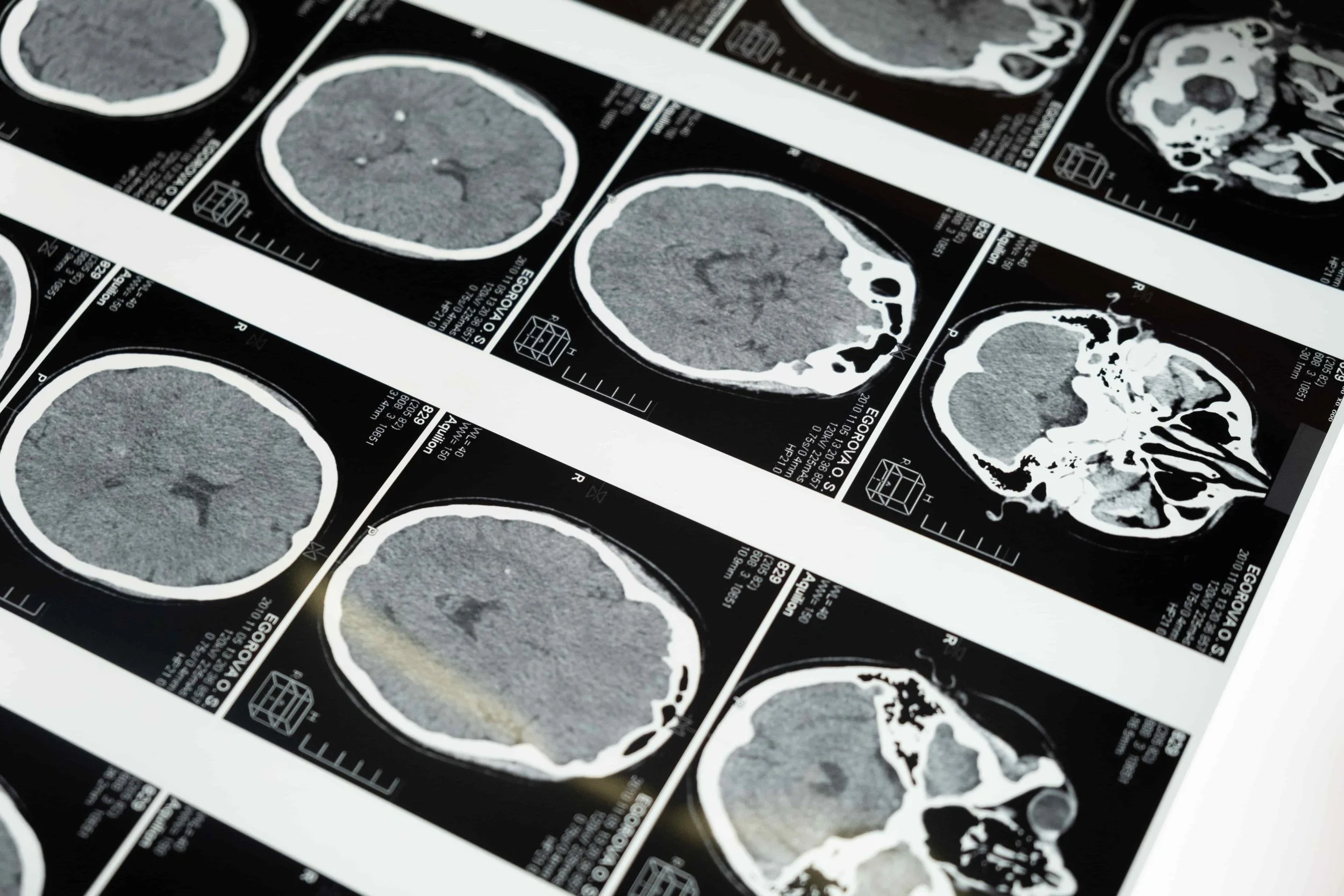
A major aspect missing from traditional therapy is the understanding that chronic pain is not solely physical. It often stems from the brain’s misfiring signals, causing persistent pain sensations.
Many therapists aren’t specifically trained in chronic pain. They can help you build coping mechanisms, but they may not teach you how to work with what keeps the pain going.
Retraining your Brain:
To effectively manage chronic pain, it helps to learn how to retrain your brain so it sends fewer danger signals to your body. By targeting the brain’s response, individuals can gain control over their pain experience and foster a new relationship with their bodies.
Breaking the Anxiety-Pain Cycle:
Another missing piece in traditional therapy is addressing the anxiety-pain cycle that often accompanies chronic pain. Anxiety amplifies pain sensations, creating a vicious cycle that perpetuates suffering.
To break free from this cycle, focus on learning strategies to manage your anxiety. By developing coping mechanisms and relaxation techniques, you can reduce your anxiety levels, and for many people pain intensity and frequency come down too.

Regulate your Emotions to Heal Chronic Pain:
Emotional regulation plays a significant role in chronic pain management, yet it can be easily overlooked in traditional therapy approaches.
Chronic pain takes a toll on emotional well-being, leading to feelings of frustration, anger, sadness, and hopelessness. Learning how to regulate emotions in a safe and healthy manner is crucial for holistic healing.
By developing emotional resilience and healthy coping mechanisms, individuals can navigate pain with a greater sense of control and overall well-being.
The Holistic Therapy Approach to Healing Chronic Pain
If you want to heal chronic pain, it is important to recognize that traditional therapy may not address all the essential elements needed for effective pain management.
Understanding the brain-body connection, retraining the brain, breaking the anxiety-pain cycle, and learning emotional regulation are some of the first steps on the path to holistic healing.
If you’ve tried traditional therapy and are ready to try something different for your symptoms, I’m ready to support and guide you!
I help you get to the root of your suffering and work toward lasting change in your pain. Schedule a free intro call to see if we’re the right fit to work together. Once you schedule, you’ll fill out a few questions and then on our call, I’ll get a little better idea of what’s going on and if chronic pain and nervous system treatment is an appropriate treatment for you. How quickly things change differs from person to person, and we’ll talk about what’s realistic for you.
Remember, you deserve to be supported on your journey toward pain relief and improved quality of life. Take the step of applying for therapy to unlock the missing pieces from your healing journey and begin your holistic healing journey.